
Sore or tender gums can make brushing, eating and drinking uncomfortable. The cause may be irritation from plaque, food trapped between teeth, an injury from brushing or another dental problem. Although mild discomfort sometimes improves with careful oral hygiene, persistent or worsening symptoms deserve professional assessment.
If you are researching how to relieve gum pain, focus on measures that protect the affected tissue without masking a potentially serious problem. A dental clinic in Novena can assess the cause, recommend appropriate care and explain whether further treatment is needed. The steps below can help you manage discomfort safely while deciding when to seek professional advice.
1. Clean the Area Gently
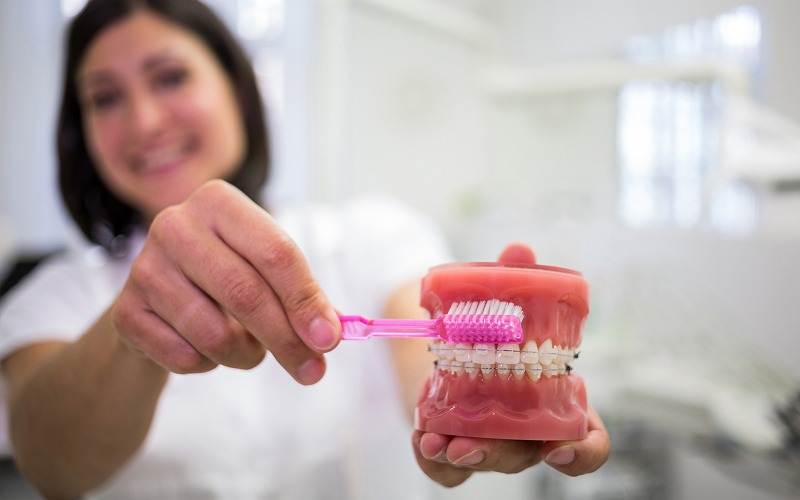
When gums are sore, it may be tempting to avoid brushing the affected area. However, stopping oral hygiene completely can allow plaque to accumulate and contribute to further irritation. Continue cleaning your teeth carefully with a soft-bristled toothbrush, using gentle movements rather than scrubbing.
If brushing causes substantial pain or bleeding, avoid forcing the brush into the area. Take note of where the discomfort occurs and whether it affects one spot or several parts of the mouth. Persistent bleeding, swelling or soreness should be checked by a dentist rather than managed indefinitely at home.
Floss gently between the teeth if you can do so without causing injury. Do not snap floss down onto the gums or use sharp tools to remove trapped food. If an object remains stuck or the area becomes more painful, ask a dental professional for help.
2. Rinse With Warm Salt Water if Appropriate
A gentle rinse with warm salt water may help keep the mouth clean and provide temporary comfort for some people. Dissolve a small amount of salt in warm water, rinse gently and spit it out. Do not swallow the solution.
This measure does not treat every cause of gum pain. It cannot replace dental care for an infection, significant injury or persistent inflammation. Avoid water that is hot enough to burn the mouth, and stop if the rinse increases irritation.
Children who may swallow the solution should not be encouraged to use it without appropriate adult supervision and advice. If the person experiencing gum pain has recently undergone dental treatment, follow the specific aftercare instructions on how to relieve gum pain provided by the clinician, as these may differ from general advice.
3. Avoid Foods and Habits That Irritate the Gums
While the gums are tender, choose foods that are comfortable to chew and avoid items that repeatedly aggravate the affected area. Very hard, sharp or crunchy foods may irritate sore tissue, while extremely hot or cold foods may increase discomfort for some people.
Try chewing on the opposite side if one area is particularly sensitive, but do not use this as a long-term substitute for assessment. Avoid smoking and other habits that can interfere with oral health and healing. If you use a mouthwash that causes burning or irritation, pause and ask a dental professional whether a different product would be suitable.
Do not apply undiluted household chemicals, concentrated essential oils or other harsh substances to the gums. These can damage delicate oral tissue. Also avoid placing painkillers directly against the gum, as some medicines can cause tissue irritation when applied inappropriately.
4. Consider What May Have Triggered the Pain
Think about when the discomfort began and whether anything changed beforehand. A new toothbrush, vigorous brushing, food trapped between teeth, recent dental work or an injury may provide useful clues. However, symptoms alone cannot establish the cause.
Check for other changes, such as bleeding during brushing, persistent bad breath, swelling, a painful lump or sensitivity when chewing. Make a note of whether the pain is localised or spreading and whether it is improving or worsening. This information can help the dentist assess the situation.
Do not assume that gum pain is simply the result of brushing too hard. Gum inflammation, dental infection, ulcers and other conditions can produce overlapping symptoms. If the discomfort persists, returns repeatedly or affects eating, arrange a dental assessment.
5. Arrange a Dental Visit at the Right Time
Seek a dental appointment if gum pain continues, worsens, recurs frequently or comes with swelling, bleeding, a lump, discharge or a persistent unpleasant taste. A dentist can examine the gums and teeth, identify possible causes and recommend suitable treatment.
If you are choosing a dental clinic in Novena, ask about appointment availability and explain your symptoms when booking. Mention any relevant medical conditions, allergies, medications or recent dental procedures. If the pain is severe, ask whether the clinic can assess you urgently.
Facial swelling accompanied by fever may require urgent assessment. Difficulty breathing or swallowing, rapidly spreading swelling or swelling extending towards the neck or eye area calls for emergency medical attention. Do not wait for a routine appointment if these warning signs appear.
Symptom Response Checklist
Use this checklist to decide what to do next.
- Mild, short-lived irritation: Clean gently, avoid irritating foods and monitor whether it improves.
- Food trapped between teeth: Try gentle flossing, without using sharp objects.
- Pain after brushing or using a product: Review your technique and stop using products that clearly irritate the area while seeking advice.
- Persistent soreness or bleeding: Arrange a dental assessment.
- A lump, discharge or increasing swelling: Contact a dentist promptly.
- Fever with facial swelling: Seek urgent assessment.
- Difficulty breathing or swallowing: Seek emergency medical attention immediately.
Prepare for Your Appointment
Before the visit, record when the symptoms started, what makes them better or worse and any measures you have tried. If you have noticed a visible change, explain where it is located and whether it has grown. A list of medications and relevant medical conditions can also help the dental team assess your needs.
Ask the dentist to explain the likely cause, proposed treatment and any recommended changes to your oral hygiene routine. If treatment is needed, request information about the expected costs and alternatives where clinically appropriate.
Gentle oral hygiene, avoiding irritants, learning how to relieve gum pain and monitoring symptoms may help manage mild gum discomfort temporarily. Persistent pain, bleeding, swelling or a lump needs professional assessment, while serious swelling or breathing difficulties require urgent attention. Home care should support, not replace, appropriate dental treatment.
Contact Happy Teeth Family Dental to discuss your gum symptoms and arrange an assessment if the discomfort persists or concerns you.
About the Author